

Art Therapy
Using Art and creativity as a pathway to healing, relaxation, and emotional wellbeing.
- About Us
About the Program
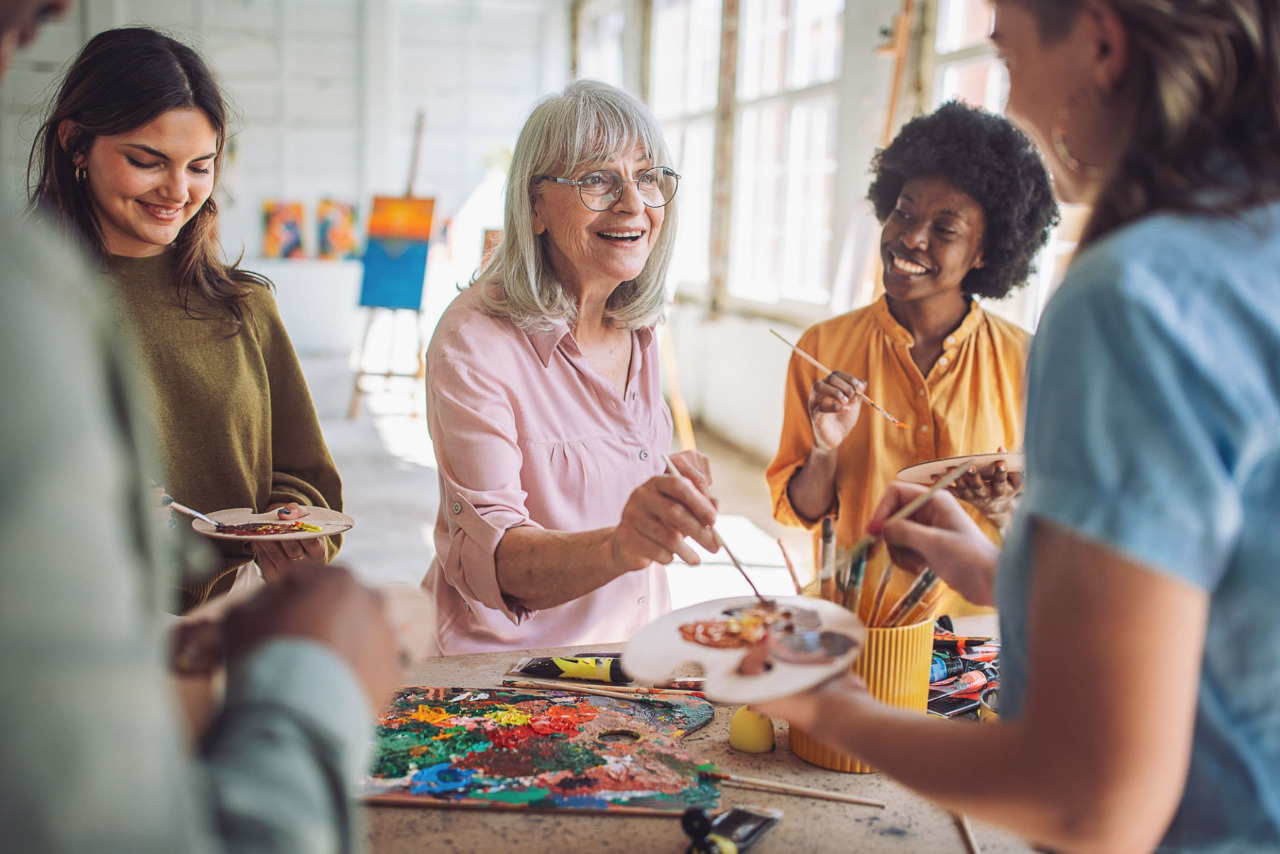
The Art Therapy Program uses creative expression as a tool for relaxation, emotional healing, and personal wellbeing. It provides safe and supportive spaces where individuals and groups can explore creativity through artistic activities such as painting, drawing, sculpture, and other forms of creative expression.
Art therapy activities allow participants to express emotions, relieve stress, improve focus, and reconnect with their creativity in a calm and nurturing environment.
Through works hops, guided creative sessions, and community activities, the program supports mental wellness while also helping people rediscover the joy and therapeutic benefits of artistic expression.
The program serves individuals, organizations, schools, and communities seeking healthy creative outlets for stress relief, emotional expression, and personal growth.
The Problem We Address
The Challenge
Modern life brings increasing levels of stress, anxiety, and emotional pressure for many individuals. In many communities, people have limited access to safe and accessible spaces where they can relax, reflect, and express themselves creatively.
Mental health support is often limited, and many individuals struggle to find simple, accessible ways to manage stress and emotional wellbeing.
At the same time, creative expression is widely recognized as a powerful tool for improving mental wellness, reducing stress, and supporting emotional healing.
Why Dormi Arts Initiative Can Solve It
Dormi Arts Initiative believes that creativity is not only a tool for artistic production but also a powerful pathway to personal wellbeing.
By creating guided art therapy experiences facilitated by artists and creative practitioners, the program allows individuals and groups to reconnect with creativity in a relaxing and supportive environment.
Through artistic activities, participants gain an opportunity to slow down, express themselves, and experience the calming effects of creative engagement.
Vision
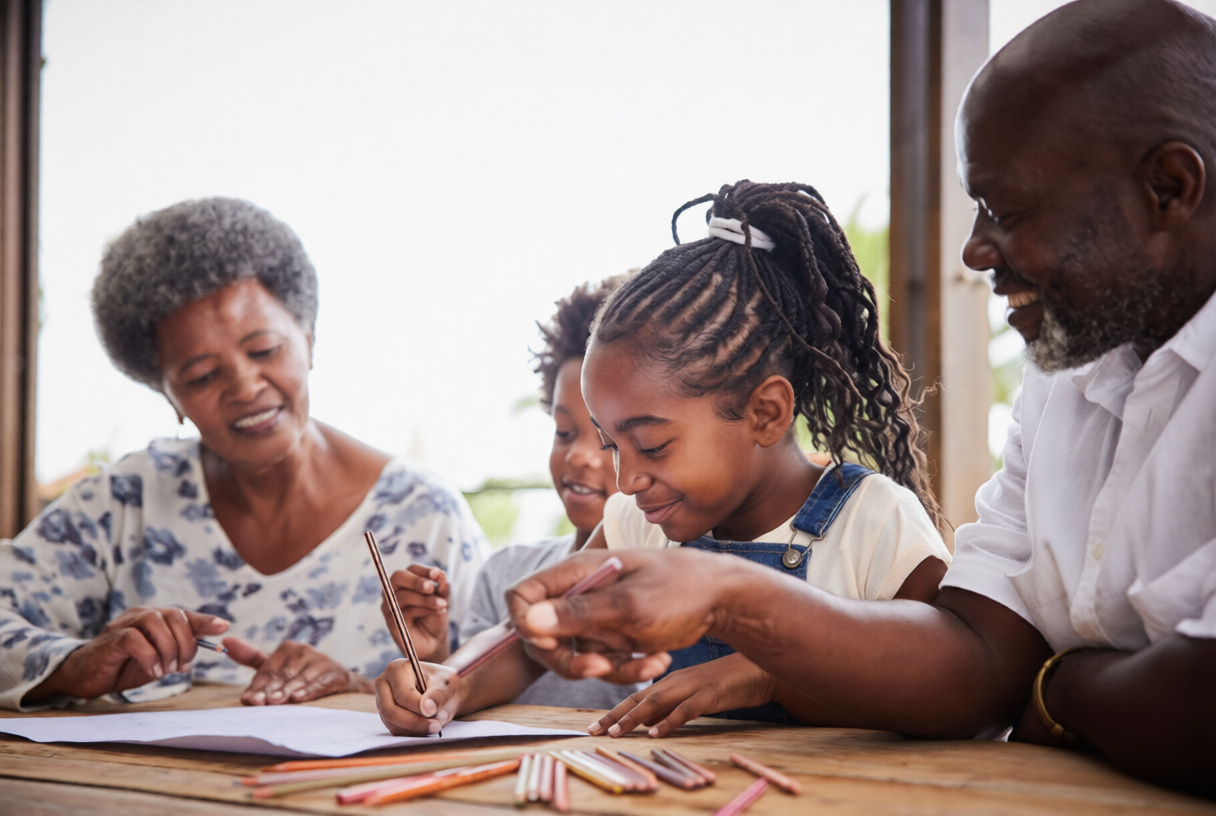
A society where creativity supports emotional wellbeing and individuals use artistic expression as a pathway to healing and self-discovery.
Mission
To provide accessible art therapy experiences that promote relaxation, emotional expression, and mental wellbeing through creative engagement.
Program Objectives
Program Goals
- Provide creative spaces that support emotional wellbeing and relaxation
- Use artistic expression as a tool for stress relief and emotional expression
- Encourage individuals and communities to engage in creative self-care practices
- Expand awareness about the therapeutic benefits of art
- Provide structured art therapy sessions for individuals, organizations, and communities
Target Beneficiaries
Primary Beneficiaries
- Individuals seeking relaxation and stress relief
- Communities interested in creative wellbeing activities
- Employees and teams seeking wellness experiences
Secondary Beneficiaries
- Schools and educational institutions
- Healthcare and wellness organizations
- NGOs and community support programs
Key Activities
What We Do
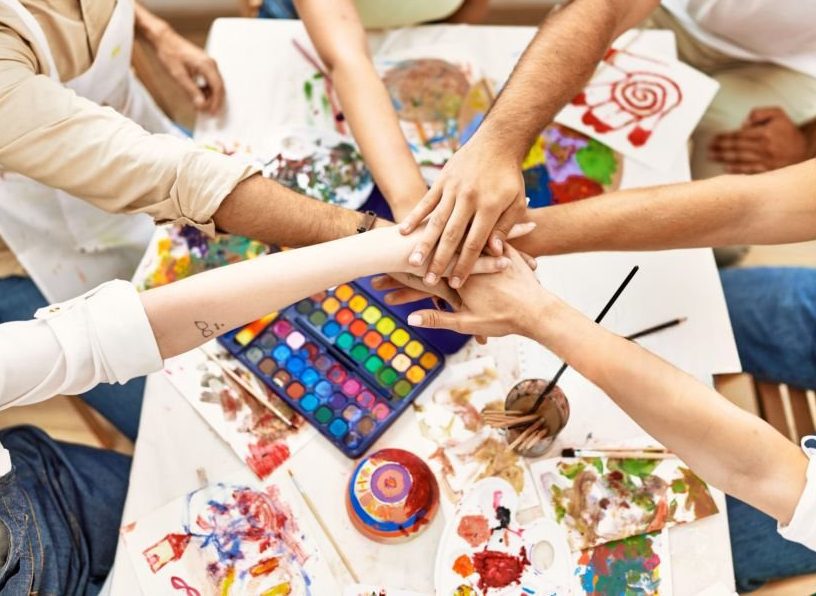
The Art Therapy program offers a range of guided creative activities designed to promote relaxation and emotional expression.
Core activities include:
- Guided art therapy workshops
- Corporate wellness creative sessions
- Community creative therapy events
- Stress relief art workshops
- Creative reflection sessions for schools and institutions
- Public art therapy events and exhibitions
- Nature themed travels
Program Structure
Organizational Structure
Lead Artist / Art Therapy Facilitator
Program Director
Program Coordinator
Supporting Artists and Artisans
Volunteers and Event Assistants
Implementation Model
How the Program Works
- Identify communities or organizations interested in art therapy sessions
- Design appropriate creative therapy activities for participants
- Assign trained artists to facilitate the sessions
- Organize and deliver guided art therapy workshops
- Encourage participants to express themselves creatively
- Document participant experiences and outcomes
- Evaluate program impact and improve future sessions
Roles Within the Program
Role of Artists
Artists facilitate creative sessions and guide participants through artistic activities that encourage relaxation and emotional expression.
They create safe, supportive environments where participants can explore creativity freely without judgment.
Role of Artisans
Artisans assist with preparing materials and supporting creative activities during workshops and sessions.
They also help produce artistic materials used in the therapy sessions.
Role of Volunteers
Volunteers support program delivery by assisting with:
- Event organization
- Participant registration
- Session preparation
- Documentation and photography
Partnerships
Our Collaborators
The Art Therapy program collaborates with institutions that support wellbeing, education, and community development.
Potential partners include:
- Schools and universities
- Hospitals and healthcare centers
- NGOs and community organizations
- Corporate organizations interested in employee wellness
Wellness and mental health organizations
Expected Outcomes
What We Achieve
Through the program:
- Individuals experience reduced stress and improved relaxation
- Participants reconnect with creativity and self-expression
- Communities engage in positive creative activities
- Organizations gain access to innovative wellness experiences
Long-Term Impact
The Difference We Make
Over time, the Art Therapy program contributes to a culture where creativity is recognized as a powerful tool for personal wellbeing.
Communities gain access to creative wellness practices that support emotional health, while artists play an important role in facilitating healing and self-expression through art.
Monitoring & Evaluation
Measuring Success
Key indicators include:
- Number of art therapy sessions conducted
- Number of participants engaged
- Participant satisfaction and feedback
- Partnerships developed with institutions
Evaluation methods include:
- Participant surveys
- Program reports
- Session documentation
Sustainability Strategy
Ensuring Program Continuity
The Art Therapy program is sustained through:
- Paid wellness workshops for organizations
- Partnerships with healthcare and educational institutions
- Sponsorships and grants supporting community wellbeing initiatives
Public art therapy events and creative wellness programs
Opportunities to Get Involved
There are many ways to participate in the Art Therapy Program:
Therapy session
Attend an art therapy session
Partner With Us
Partner with Dormi Arts Initiative to host wellness workshops
Volunteer
Volunteer to support community sessions
Sponsor
Sponsor creative wellbeing programs
Program Contact
Program Lead: Still Vacant
Organization: Dormi Arts Initiative
Website: dormiarts.org
Email: info@dormiarts.org
Program Development Stage
Current Stage
Early implementation stage —
The program is currently being developed as part of Dormi Arts Initiative’s broader mission to foster thriving communities while creating sustainable creative opportunities for artists.
- NGO REG No. INDR178137353NB
- URSB No. 80034067816344
- URA TIN 1046186106
- NGO PERMIT No. INDP0007353NB
SUBSCRIBE
GALLERY
- Copyright 2026 DormiArts | All Rights Reserved.
- donations@dormiarts.org
- volunteers@dormiarts.org